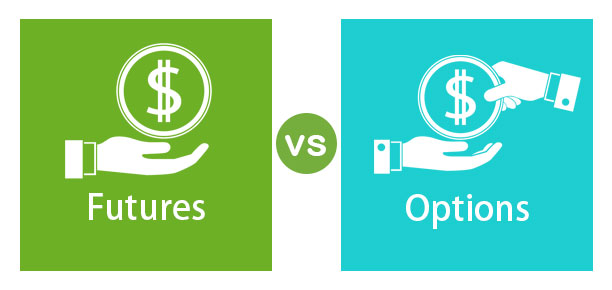
If the stock market is like your favorite Bollywood movie, Futures and Options are the dramatic plot twists that keep you hooked. 🎥 They're not as straightforward as buying a stock and holding onto it, but once you understand them, you’ll feel like the stock market king or queen! Let’s dive into these concepts with a desi tadka and some real-life examples.
Futures: The Advance Booking
Imagine this: You love mangoes (who doesn’t?) 🥭, but it’s not mango season yet. You know that during the season, prices will skyrocket because everyone will want them. So, you strike a deal with your local fruitwala:
- You agree to buy 10 kilos of mangoes at ₹100 per kilo next month, no matter what the market price is.
Here’s where it gets interesting:
- If the price of mangoes goes up to ₹150 per kilo during the season, you win! You’re getting mangoes at ₹100 per kilo while others are paying more. 🤑
- But if the price drops to ₹80 per kilo, you’re stuck paying ₹100. Ouch! 😅
This is exactly how Futures work in the stock market:
- You lock in a price today for a transaction in the future.
- Whether you profit or lose depends on how the market moves.
Funny Take: Think of Futures like your wedding hall booking during the wedding season. You lock in a rate, but if demand dips and halls get cheaper, you’re stuck paying more. Moral of the story: Always check with your astrologer (or research well)! 🏛️✨
Options: The Bollywood Superstar’s “Option” to Say Yes or No
Now, let’s talk about Options. Options are like having a flexible movie ticket to the biggest blockbuster of the year.
- Imagine this: You want to watch the latest Shah Rukh Khan movie, but you’re not sure if it’ll be a hit or a flop. So, you pay ₹50 to your local ticket seller for the option to buy the ticket later at ₹200 if you decide to watch the movie.
- If the movie becomes a superhit and ticket prices shoot up to ₹500, you exercise your option and get the ticket for ₹200. 🎉
- If the movie flops and ticket prices fall to ₹100, you can choose not to buy the ticket. All you lose is the ₹50 you paid for the option.
In the stock market:
- Call Option: Gives you the right (but not the obligation) to buy a stock at a fixed price.
- Put Option: Gives you the right to sell a stock at a fixed price.
Funny Take: Options are like your mom giving you the option to marry someone: “Beta, you can say no if you don’t like them, but the introduction costs (the matchmaking fees) are non-refundable!” 💍😂
The Key Difference: Futures vs. Options
To make it easier to remember, here’s a quick comparison:
Futures |
Options |
|---|---|
| You must honor the deal. | You have the option, not the obligation. |
| Higher risk if prices move against you. | Lower risk because you can opt-out. |
| It’s like committing to a buffet. | It’s like having an à la carte menu. 🍽️ |
Why Do People Use Futures and Options?
- Hedging: Like farmers who lock in prices for their crops to avoid losses if prices fall.
- Speculation: Like betting with your friends during an IPL match: "I bet ₹500 that CSK will win!" It’s all about predicting the future.
But be careful! Futures and Options aren’t for the faint-hearted. They can make you rich, but they can also make you feel like you’ve just eaten too much spicy pani puri—fun at first, but risky if you’re unprepared! 🌶️💧
Final Words:
Futures and Options might sound complicated, but they’re just like real life—full of drama, suspense, and the occasional plot twist. Whether you’re locking in mango prices or deciding on a blockbuster movie ticket, it’s all about knowing your risk and playing it smart.
And remember, in the stock market, it’s not about being lucky—it’s about being prepared. So, the next time someone throws the term “F&O” at you, confidently say, “Arre, it’s just like mangoes and Shah Rukh Khan movies!”



No comments:
Post a Comment