Tuesday, 21 January 2025

Financial Tips for First-Time Earners: A Fun Guide

Financial Tips for First-Time Earners: A Fun Guide

Happy first-time earner managing finances

Congrats on your first paycheck! Whether you’re feeling like a rockstar or an ATM, managing your money wisely now can set you up for a bright financial future. Here’s how to do it with a smile (and without eating instant noodles forever).

1. Budget Like a Boss

Think of a budget as your financial GPS—it keeps you from getting lost in the shopping mall. Start with the 50/30/20 rule:

  • 50% for needs (rent, food, Wi-Fi—yes, Wi-Fi is a need).
  • 30% for wants (new sneakers, Netflix, that fancy coffee).
  • 20% for savings and investments (future you will thank you!).

2. Build an Emergency Fund

Life happens—like your phone deciding to swim in the sink. Save at least three months’ worth of expenses in an emergency fund. Pro tip: Keep this money in a separate, easily accessible account.

3. Avoid the Debt Trap

Credit cards are like dessert—great in moderation but dangerous in excess. Pay your bills on time and avoid borrowing for things you don’t need. Remember, debt is like a clingy ex—it’s hard to shake off.

4. Start Investing Early

Investing is like planting a tree. The earlier you start, the sooner you’ll enjoy the shade. Explore options like mutual funds, SIPs, or even index funds. And no, gambling on stocks isn’t the same as investing!

5. Learn About Taxes

Welcome to adulthood, where taxes are as inevitable as wedding invites. Learn how to file your returns and explore ways to save on taxes through deductions and exemptions. Google "Section 80C" to start.

6. Don’t Forget Insurance

Insurance is your financial safety net. Get health insurance even if you think you’re invincible. And if you’re supporting your family, consider life insurance too.

7. Keep Learning

Money management is a lifelong skill. Read books, follow finance blogs, and maybe even attend a workshop. The more you know, the more confident you’ll be.

FAQs for First-Time Earners

Q: Should I save or invest first?

A: Start by building an emergency fund, then focus on investments.

Q: Is it okay to spend on luxuries?

A: Yes, as long as it fits within your budget. Treat yourself—but don’t overdo it.

Q: How can I learn about investing?

A: Start with beginner-friendly resources like books, blogs, or even YouTube videos. Practice with small amounts.

Sunday, 19 January 2025

SIPs vs Lumpsum: Which Mutual Fund Strategy Works Best?

SIPs vs Lumpsum: Which Mutual Fund Strategy Works Best?

Investing in mutual funds? Great decision! But wait—should you go for a SIP or lumpsum? Don’t worry, we’ll explain these terms and help you choose in the most fun way possible. Spoiler alert: it depends on your wallet, patience, and maybe your zodiac sign (just kidding!).

What Are SIPs and Lumpsum Investments?

  • SIP (Systematic Investment Plan): Think of it as your Netflix subscription for investments. You put in a fixed amount regularly—weekly, monthly, or quarterly. Perfect for salaried folks who can’t part with all their savings at once.
  • Lumpsum: One-time investment. It’s like buying a lifetime Netflix subscription in one go. Great if you’ve got a windfall or a big bonus lying around.

Advantages of SIPs

Let’s break it down:

  • Disciplined Investing: SIPs make you invest regularly, even if your morning coffee costs more than your SIP amount.
  • Rupee Cost Averaging: This fancy term means you buy more units when prices are low and fewer when they’re high. It’s like shopping during sales!
  • Low Initial Commitment: Start with as little as ₹500 per month. That’s less than a dinner date!
  • Flexibility: You can pause or modify your SIP as your financial situation changes. It’s like having a flexible gym membership.

Advantages of Lumpsum Investments

If you’re feeling like a big shot:

  • Potential for Higher Returns: Investing a large amount upfront can take full advantage of market growth.
  • One-Time Hassle: No need to remember monthly payments. Just set it and forget it!
  • Best for Windfalls: Got a Diwali bonus or lottery win? Park it in a lumpsum investment.
  • Immediate Market Exposure: Your money starts working for you immediately, without waiting for monthly installments.

Key Considerations Before Choosing

Before you decide, think about these:

  • Market Timing: Lumpsum works best in a rising market, while SIPs reduce the risk of market volatility.
  • Risk Appetite: SIPs are better for cautious investors, while lumpsum suits those comfortable with short-term ups and downs.
  • Financial Discipline: SIPs are great for building a habit of regular investing, whereas lumpsum requires upfront planning.
  • Time Horizon: SIPs are ideal for long-term goals, while lumpsum can be beneficial for short-term objectives if the market conditions align.

Which One Should You Choose?

Here’s where it gets interesting:

  • If you’re salaried or love spreading out costs, SIPs are your best bet. They’re beginner-friendly and reduce market risk.
  • If you’ve got a large amount to invest and don’t mind short-term market volatility, go for lumpsum. Just make sure you’re investing in a bull market!
  • For a balanced approach, consider a mix of both strategies. For instance, invest a portion of your windfall as lumpsum and the rest via SIPs.

FAQs About SIPs and Lumpsum

Q: Can I switch from SIP to lumpsum?

A: Not directly, but you can pause your SIP and make a lumpsum investment instead.

Q: Which one is better for tax-saving funds?

A: SIPs can help you spread out your tax-saving investments, but lumpsum is great if you’re nearing the financial year-end.

Q: Is there a minimum amount for lumpsum investments?

A: Yes, most mutual funds have a minimum lumpsum investment amount, usually starting at ₹1,000 or ₹5,000.

Q: Can I do both SIP and lumpsum in the same fund?

A: Absolutely! Many investors combine both strategies to maximize returns and manage risks.

How to Choose Mutual Funds: A Simple and Funny Guide

How to Choose Mutual Funds: A Simple and Funny Guide

A cartoon about mutual funds selection

Let’s face it: choosing a mutual fund can feel like choosing a movie on a streaming platform—overwhelming, but with your money on the line. Don’t worry, though! By the end of this guide, you’ll be able to pick the right mutual funds with confidence—and maybe a chuckle or two.

1. Know Your Goal (No, Not the World Cup)

First things first: ask yourself why you’re investing. Retirement? A dream vacation? Buying that cool gadget? Your goal will decide whether you need equity funds for high growth or debt funds for safety. Think of it as choosing between a rollercoaster and a Ferris wheel.

2. Understand Your Risk Appetite

Are you someone who screams on a rollercoaster or someone who loves skydiving? Your risk appetite matters! High-risk investors can look at equity funds, while cautious ones might prefer debt or balanced funds. Pick what suits your nerves (and your wallet).

3. Check the Fund’s Past Performance (Not Its Tinder Profile)

While past performance doesn’t guarantee future returns, it gives you a clue. Look for funds that consistently outperform their benchmarks. But don’t fall for one-hit wonders—steady wins the race!

4. Expense Ratio: The Hidden Fee Monster

Mutual funds charge a small fee to manage your money. This is called the expense ratio. Lower is better because why pay more when you can earn more?

5. Diversify, but Don’t Overdo It

Remember the saying, "Don’t put all your eggs in one basket"? Diversification helps reduce risks, but don’t turn it into an omelet of 20 different funds. Keep it balanced and focused.

6. Check the Fund Manager’s Credibility

The fund manager is like the captain of your ship. Look for experienced managers with a solid track record. You wouldn’t trust a pilot who learned flying on YouTube, would you?

7. Know the Tax Implications

Equity funds held for over a year are taxed at 10% on gains above ₹1 lakh. Debt funds, on the other hand, can attract higher taxes. Plan accordingly, because no one likes a surprise tax bill!

8. Use SIPs: The Smart Way to Invest

Don’t have a lump sum? No worries! Systematic Investment Plans (SIPs) let you invest small amounts regularly. It’s like ordering pizza slices instead of the whole pie—easier on the pocket.

FAQs

What is the best mutual fund type for beginners?

Balanced or hybrid funds are a good choice for beginners as they offer a mix of equity and debt, reducing risk while providing decent returns.

How much should I invest in mutual funds?

Start with an amount you’re comfortable with. Financial experts recommend investing at least 20-30% of your income in mutual funds.

So there you have it—a funny yet insightful guide to choosing mutual funds. Ready to invest smart and laugh along the way? Happy investing!

Saturday, 11 January 2025

Taxes in India

Understanding Taxes in India: A Beginner's Guide

Understanding Taxes in India: A Beginner's Guide

Ah, taxes! The word alone makes most grown-ups groan. But hey, understanding taxes doesn’t have to be boring. Let’s dive into the world of taxes in India in a way that even an 8th grader can enjoy—with a pinch of humor and a lot of clarity.

Two Big Categories of Taxes

  1. Direct Taxes: Taxes paid directly to the government. It's like paying for your pizza yourself.
  2. Indirect Taxes: These are sneaky taxes added when you buy something, like when your candy costs a little extra due to taxes.

1. Direct Taxes: The Straightforward Ones

These taxes come straight from your earnings or profits. Let's meet them:

a. Income Tax

  • What Is It? A tax on the money you earn, whether it’s from your salary, business, or even winning a game show!
  • How Much?
    • If you earn less than ₹3 lakh a year, you pay 0%.
    • Earn more than that? The tax rate starts at 5% and can go up to 30% for high earners.

b. Corporate Tax

  • What Is It? Companies pay this tax on their profits. It’s like the company’s version of income tax.
  • How Much? Typically 25-30%, depending on the company's size and type.

c. Capital Gains Tax

  • What Is It? If you sell something valuable, like property or shares, the government takes a small share of your profit.
  • How Much?
    • Short-term gains: 15% (if you sell within a year).
    • Long-term gains: 10% (if you hold for longer, you get rewarded with a lower tax).

d. Gift Tax

  • What Is It? If someone gives you a gift worth more than ₹50,000, you may have to pay tax on it.
  • How Much? The same as income tax rates.

2. Indirect Taxes: The Hidden Ones

These taxes are added to the price of things you buy. Let's look at some common examples:

a. GST (Goods and Services Tax)

  • What Is It? A tax added to most goods and services. It's like a sprinkle of salt on every product.
  • How Much?
    • Daily essentials: 0%.
    • Processed food: 5-12%.
    • Luxury items: 28%.

b. Customs Duty

  • What Is It? A tax on goods imported into India. If you’re buying gadgets from abroad, expect to pay extra.
  • How Much? Typically 10-40%, depending on the product.

c. Stamp Duty

  • What Is It? A tax on legal documents, like property papers. It’s the government’s way of saying, “Congrats on your new house; now pay up!”
  • How Much? Around 4-10% of the property’s value.

d. Road Tax

  • What Is It? A tax for using roads if you buy a car or bike.
  • How Much? Around 5-20% of the vehicle’s price.

3. Special Taxes: The Unique Ones

a. Education Cess

  • What Is It? An extra tax for funding education in schools and colleges.
  • How Much? 4% of your total tax.

b. Equalization Levy

  • What Is It? A tax on digital companies like Google or Facebook when they make money in India.
  • How Much? 2-6%.

c. Professional Tax

  • What Is It? A small tax some states charge if you have a job or run a business.
  • How Much? Maximum ₹2,500/year.

Concept of the Day: Penny Stocks


Let’s imagine you’re at a local street market, where you can buy something as small as a keychain for ₹10. Now, imagine if you bought that keychain, and suddenly, everyone in the market wanted it. What do you think would happen to the price? It could shoot up, right? That’s a bit like Penny Stocks in the stock market—small, inexpensive, and sometimes full of surprises!

What are Penny Stocks?

Penny Stocks are shares of companies that are priced very low, typically under ₹10 (though the exact price can vary depending on the country). These stocks are considered cheap, just like picking up those small items in the market, but they carry their own set of risks and rewards.

Why Are They Called Penny Stocks?

The term “penny” comes from the idea that these stocks were once traded for just a penny, but nowadays, they’re simply stocks that are very cheap compared to others. It's like getting a small item at a small price but with the possibility of it becoming something bigger!

Why Do People Buy Penny Stocks?

  1. Low Price = High Potential (Maybe): Penny stocks are cheap, and many people see them as a way to make big profits by buying lots of shares for a small amount of money. Imagine buying 100 keychains for ₹10 each, and then selling them for ₹100 each! Sounds tempting, right?
  2. Excitement: Investing in penny stocks is like watching a suspenseful movie—you never know what’s going to happen. The price can jump quickly, offering the chance for big gains.

The Risks of Penny Stocks

But, hold on! Just like a low-budget movie that might not even make it to the theaters, penny stocks can also bring big risks. Here's why:

  1. Unpredictability: Penny stocks can be very volatile, meaning their prices can go up and down in a flash. It’s like driving through a bumpy road—one moment you're smooth sailing, and the next, you hit a pothole.
  2. Lack of Information: Since these companies are small, they don’t always have enough information out there. It’s like buying from a shop with no reviews—who knows if that item is really worth it?
  3. Scams and Manipulations: Some penny stocks can be manipulated, where a group of people buys and sells shares in a way that makes the price rise for no reason. It’s like buying cheap knock-off products and pretending they’re luxury brands!

Real-Life Example

One famous example of penny stocks is Tata Motors' stock in the early 2000s. At one point, the stock was very cheap, but as the company grew, the value of those shares skyrocketed. But, not all penny stocks have a happy ending—sometimes, they remain just that—cheap and hard to sell!

Funny Analogy to Remember

Penny stocks are like those tiny roadside snacks—cheap, but you never know if you’ll end up with an amazing taste or a stomach ache later. They could either turn into a big hit, or you might regret it the next day!

Pro Tip

Penny stocks can be exciting, but don’t get carried away. Think carefully before jumping into them. Remember, even though they are cheap, the potential for loss is high! It's better to invest in them with a clear plan and a solid understanding of the company behind the stock.

So, next time you hear someone talk about penny stocks, you can say, “It’s like buying a bargain, but remember, not all bargains turn into gold!” ๐Ÿ˜„

Concept of the Day: IPO (Initial Public Offering)


Let’s say you have a small business—maybe you sell homemade mango pickles ๐Ÿฅ’—and you’ve decided it’s time to take things to the next level. You want to expand, but you don’t have enough money. So, you tell your friends, “Hey, I’m opening my business to the public! You can buy a part of my business, and in return, you’ll have a share of the profits!” That’s what an IPO (Initial Public Offering) is in the stock market!

What is an IPO?

An IPO is when a private company decides to sell its shares to the public for the first time. It’s like a debutante ball, where the company makes its grand entrance into the stock market world. It’s a way for the company to raise money to fund growth, pay off debts, or simply increase its brand presence. Think of it as the company's "coming out" moment!

Why Do Companies Go for IPO?

  1. To Raise Funds: The company wants to raise money for expansion or paying off debts. It’s like organizing a charity event to get the cash flowing.
  2. To Get Publicity: An IPO gets the company a lot of media attention. Just like how a Bollywood star’s movie release garners millions of eyes, an IPO brings spotlight and credibility.
  3. Employee Benefits: Employees often get shares in the company as part of their compensation, and with an IPO, these shares can turn into cash when sold.
  4. Exit Strategy for Investors: Early investors (like venture capitalists) use the IPO as an opportunity to cash out on their investment. It's like that one friend who says, “I’m selling my car, take it or leave it!”

How Does an IPO Work?

Here’s how it goes:

  1. Announcement: The company tells the world, “We’re going public!” They file for the IPO with regulatory bodies like SEBI (Securities and Exchange Board of India).
  2. Price Setting: The company, along with its investment bankers, sets a price for the shares. This price is decided after analyzing the market conditions and company value. It’s like deciding how much you should sell your mango pickles jar for—attractive but also fair.
  3. Book Building: Investors are given a chance to bid for shares, and the company decides how many shares to offer and at what price.
  4. Listing: Once the IPO is successful, the company’s shares start trading on the stock exchanges like the NSE or BSE. This is where you and I get to buy a slice of the pickle jar!

Why Should You Care About an IPO?

Investing in an IPO can be exciting because you’re getting in early, like being the first to buy tickets to a blockbuster movie. But, just like choosing a movie, an IPO can be a hit or a miss. Sometimes the stock skyrockets, and sometimes, it’s a flop show.

Real-Life Example: Zomato's IPO

Take Zomato—India’s favorite food delivery app. When Zomato went public, it was like the food delivery king taking its throne in the stock market. Investors rushed to grab shares, and those who got in early made quite a profit. But, remember, not all IPOs turn out to be Zomato-style success stories.

Funny Analogy to Remember

Think of an IPO as a company throwing a party and inviting everyone to buy a ticket to the event. The more people that buy the tickets (shares), the more the company can grow. But remember, not everyone who buys a ticket at the beginning gets the VIP treatment. Some people may have to stand in the back or even leave early if things go south.

Pro Tip

Investing in IPOs can be tempting, but be cautious! Research the company thoroughly, understand its business, and think long-term. Sometimes, the best party is the one you can stay at for the whole night, not just the one with the loudest music.

So, next time someone talks about an IPO, you can confidently say, “Oh, I know, it's like buying into the next big thing!”

Concept of the Day: Blue-Chip Stocks


Imagine a student in every class who always gets the highest marks, represents the school in competitions, and is the teacher’s favorite. They’re reliable, consistent, and successful. That’s exactly what Blue-Chip Stocks are in the world of investing—top-tier, star performers!

What Are Blue-Chip Stocks?

Blue-chip stocks are shares of large, well-established, and financially stable companies that have a long history of performing well. These companies are like household names, and their products or services are something most people use or recognize daily. Think of giants like Tata Consultancy Services (TCS), Reliance Industries, or HDFC Bank. They’re the Bachchans and Khans of the stock market—classics with solid reputations.

Why Are They Called Blue-Chip?

The term comes from poker, where the blue chips are the highest-value ones. Just like in poker, blue-chip stocks are considered high-value, representing quality and reliability in the investment world.

Why Are Blue-Chip Stocks Special?

  1. Reliability: These companies are like your trusted doodhwala—they deliver on time, every time, no matter the market conditions.
  2. Consistent Returns: While they may not double your money overnight, they offer steady growth and dividends, making them a favorite among investors who value stability.
  3. Resilient in Tough Times: Blue-chip companies are like that one friend who always stays calm during exams—dependable even in the toughest of economic situations.

Real-Life Example

Let’s take Reliance Industries. Whether the market is soaring or crashing, Reliance keeps doing what it does best—growing its business and rewarding its shareholders. Over the years, it has proven itself as a reliable and profitable investment choice, just like your mom’s rajma chawal—always comforting and fulfilling!

Who Should Invest in Blue-Chip Stocks?

  1. First-Time Investors: If you’re new to the stock market and want to play it safe, blue-chip stocks are a great start.
  2. Long-Term Investors: These stocks are perfect if you’re building a portfolio for goals like retirement or your kids’ education.
  3. Risk-Averse Investors: If the idea of losing sleep over market volatility doesn’t excite you, blue-chip stocks are the cozy blanket you need.

Funny Analogy to Remember

Blue-chip stocks are like old Bollywood classics. They might not have the flashiness of today’s dance numbers, but their value never fades, and they’re always a hit with the audience!

Pro Tip

While blue-chip stocks are reliable, don’t put all your money in one basket. Diversify your portfolio by mixing blue-chips with mid-cap or growth stocks for better returns. After all, even biryani tastes better with some raita and salad on the side!

Ready to bet on the big players? Blue-chip stocks are here to make your investment journey stable and satisfying. Let me know what other topics you'd like to explore!

Concept of the Day: Stock Split


Imagine you have a large pizza ๐Ÿ•, and you’re having trouble sharing it equally with your friends. What do you do? Simple—you cut the pizza into smaller slices so everyone gets a fair share without changing the size of the pizza. That, my friend, is the concept of a Stock Split in the stock market!

When a company decides to split its stock, it’s essentially dividing each existing share into multiple new shares. The total value of your investment remains the same, but the number of shares you own increases. It’s like slicing your pizza into smaller pieces—more slices, same pizza.

How Does It Work?

Let’s say you own 1 share of a company worth ₹1,000, and the company announces a 2-for-1 stock split. This means your single share will now split into 2 shares, and the price of each share will adjust to ₹500. So, instead of 1 share worth ₹1,000, you now have 2 shares worth ₹500 each. Same ₹1,000 investment, just distributed differently.

Why Do Companies Split Their Stocks?

  1. To Make Shares Affordable: A high share price can scare away small investors. Splitting the stock brings the price down, making it more affordable and attractive. Think of it as a discount on your favorite kurta during a festive sale.
  2. To Increase Liquidity: With more shares in the market, buying and selling become easier, like having more change in your wallet for chai and samosa.
  3. To Signal Growth: Companies often split their stocks when they’re doing well, showing confidence in their performance. It’s like a shopkeeper expanding his store because business is booming.

Does It Benefit Investors?

While the value of your investment doesn’t change immediately after a split, stock splits often attract more investors, increasing demand and possibly driving up the price in the long term. But remember, this isn’t always guaranteed.

Funny Analogy to Remember

Think of a stock split as your neighborhood sweet shop slicing a giant ladoo into smaller pieces so more people can enjoy it. The ladoo remains the same, but everyone feels like they’re getting a good bite!

Pro Tip

Stock splits are a sign of a growing company, but don’t just buy a stock because it’s splitting. Always research the company’s fundamentals and growth prospects before investing. As they say, “Don’t judge a ladoo by its size, judge it by its taste!” ๐Ÿ˜Š


Mutual Fund Sahi Hai: What Does It Really Mean?


You’ve probably heard this tagline a hundred times—“Mutual Fund Sahi Hai.” It’s catchy, relatable, and leaves you wondering, “But why is it sahi (right)?” Let’s break it down in simple, relatable, and fun terms.

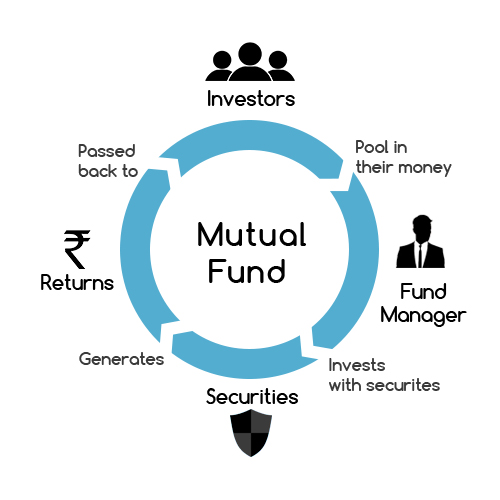
A Mutual Fund is like a potluck dinner ๐Ÿฒ. Everyone contributes a little money (like a dish), and a fund manager (the expert chef) mixes it all up to create a well-balanced meal. The idea is to let professionals manage your money by investing it in different places—stocks, bonds, gold, or even international markets. Now, why do they say "Mutual Fund Sahi Hai"? It’s because mutual funds are designed to make investing easier for everyone. Whether you’re a newbie or a seasoned investor, it’s a smart option to grow your wealth without stressing too much.

Instead of sitting with a laptop, crunching numbers, and analyzing stocks like a financial Sherlock Holmes ๐Ÿ•ต️‍♂️, you let a professional fund manager do the hard work for you. They have the expertise to pick the best investments for your money. It’s like hiring a panditji for your wedding rituals. Sure, you could read up on them, but you’d probably mess up. Better leave it to the expert! ๐Ÿ™

Mutual funds spread your money across multiple investments, which means your risk is reduced. If one stock falls, others might balance it out. It’s like a thali meal at your favorite restaurant. If the dal isn’t great, the paneer or naan will still save the day! ๐Ÿฅ˜

You don’t need to be a millionaire to start investing in mutual funds. With SIPs (Systematic Investment Plans), you can start investing with as little as ₹500 a month. That’s less than what you’d spend on a weekend pizza party! ๐Ÿ•

Need your money back? Mutual funds can be redeemed easily (except for certain locked-in funds like ELSS). It’s like having your savings ready, but with extra returns.

Some mutual funds, like ELSS (Equity Linked Savings Schemes), give you tax benefits under Section 80C of the Income Tax Act. So, you’re saving tax while growing your wealth. It’s like buying a combo pack during the festive sale—you get extra discounts and more value. ๐ŸŽ

Mutual funds are regulated by SEBI (Securities and Exchange Board of India), so your money is in safe hands. There’s no shady “chit fund” drama here!

The tagline "Mutual Fund Sahi Hai" is a reminder that mutual funds can be a smart and simple way to grow your wealth. But remember, just like choosing the right cricket team for Dream11, picking the right mutual fund matters. Research, consult, and then invest. So, next time someone says, "Mutual Fund Sahi Hai," nod confidently and say, "Bilkul sahi bola!" ๐Ÿ˜Š

Stock Shopping Guide: What to Check Before You Swipe Buy!

Buying a stock is like shopping during a big Diwali sale—you don’t just pick up the first thing you see; you inspect, compare, and make sure you’re getting value for your money. Whether you’re a first-time investor or a seasoned market baba, here’s a simple guide to what you should look for before you invest in a stock. Spoiler alert: It’s not just about low prices or a gut feeling! ๐Ÿ›’๐Ÿ“ˆ


1. Understand the Business: Is It the Next Big Thing?

Before you buy, ask yourself: What does this company do? If you can’t explain it to your 10-year-old cousin, think twice. Invest in businesses that make sense to you.

Example: You know Reliance, right? It sells everything from oil to Jio SIMs. Easy to understand. But if someone asks you to invest in “Quantum Doodle AI Systems,” pause and do your research.

Pro Tip: Check if the company has a future. Is it innovating, or is it stuck in the Ramayan rerun era? ๐Ÿš€


2. Financial Health: Are They Broke or Rolling in Cash?

Would you lend money to someone who’s already in debt? Probably not. Similarly, check the company’s financial health before investing.

Here’s what to look for:

  • Revenue Growth: Are they making more money year after year? Consistent growth is a green flag. ✅
  • Profitability: Check the net profit margin—how much profit is left after expenses. A high margin means the company knows how to manage costs.
  • Debt Levels: Too much debt? It’s like running on credit cards—it won’t end well. Look for companies with manageable debt levels.

Funny Take: A company drowning in debt is like that one friend who borrows money and conveniently forgets to repay. Avoid them! ๐Ÿ’ธ


3. Management Quality: Who’s Driving the Bus?

The company’s leadership can make or break it. Check if the management team has a good track record. Are they transparent? Do they take smart decisions? Or are they the kind who make promises but disappear when things get tough?

Example: Think of companies run by visionaries like Ratan Tata or Narayana Murthy—they build trust. Compare that to someone who vanishes like your gym trainer after New Year’s resolutions. ๐Ÿค”


4. Industry Trends: Is This a Growing Sector?

Don’t just look at the company—look at the industry. Is it a growing sector like renewable energy, tech, or e-commerce? Or is it a sunset industry like pagers and floppy disks? ๐Ÿ“Ÿ

Example: Investing in EV (electric vehicle) stocks now is like getting into cricket before T20 was invented. Tons of potential ahead!


5. Valuation: Are You Paying Too Much?

Imagine buying a ₹500 kurta for ₹5000. That’s what happens when you buy an overpriced stock. Use these to evaluate:

  • Price-to-Earnings (P/E) Ratio: A high P/E means the stock is expensive compared to its earnings. But don’t avoid it blindly—some high P/E stocks are growth machines.
  • Price-to-Book (P/B) Ratio: It compares the stock’s market price to its book value. Lower is better (most of the time).

Pro Tip: Compare these ratios with other companies in the same sector. You wouldn’t pay ₹200 for pani puri if the stall next door sells it for ₹50, right? ๐Ÿ›️


6. Dividends: Are They Sharing the Wealth?

Dividends are like the mithai your friend brings when they visit. Not all companies give them, but it’s a sweet bonus when they do. Look at:

  • Dividend Yield: How much return you get in dividends compared to the stock price.
  • Dividend History: A company that consistently pays dividends is like that reliable friend who always treats you to chai. ☕


7. Analyst Ratings: What Do the Experts Say?

Sometimes, it’s good to take advice from the experts. Look at analyst reports to see their recommendations—buy, hold, or sell. But don’t blindly follow them; they’re like cricket commentators—helpful, but not always right! ๐Ÿ“ข


8. Historical Performance: Past, Present, and Future

Check how the stock has performed over the past year, 5 years, or even a decade. Is it climbing steadily, or is it as unpredictable as Indian traffic? ๐Ÿšฆ

Caution: A stock that performed well in the past doesn’t guarantee future success, just like your board exam topper who’s now still searching for a job.


9. Market Sentiment: What’s the Buzz?

Listen to what’s happening in the market:

  • Is the sector in favor?
  • Are big investors (FII, DII) buying or selling?

Example: A stock hyped on social media might just be a trend. Be the smart shopper, not the one who buys a phone because “it’s viral on Instagram.” ๐Ÿ“ฑ


10. Risk Appetite: Can You Handle the Heat?

Finally, understand your own risk appetite. Stocks can go up and down faster than a see-saw in a kids’ park. If you’re risk-averse, stick to safe bets. If you like thrill, explore high-growth stocks.

Funny Take: Investing is like spicy biryani—some can handle it; others run for water. Know your spice level! ๐ŸŒถ️


52-Week High and Low: The Stock Market's Report Card


Ah, the terms 52-week high and 52-week low might sound like the grades you got in school, but in the stock market, they mean something entirely different. Let’s break it down in a fun and simple way!


What is a 52-Week High? ๐Ÿ“ˆ

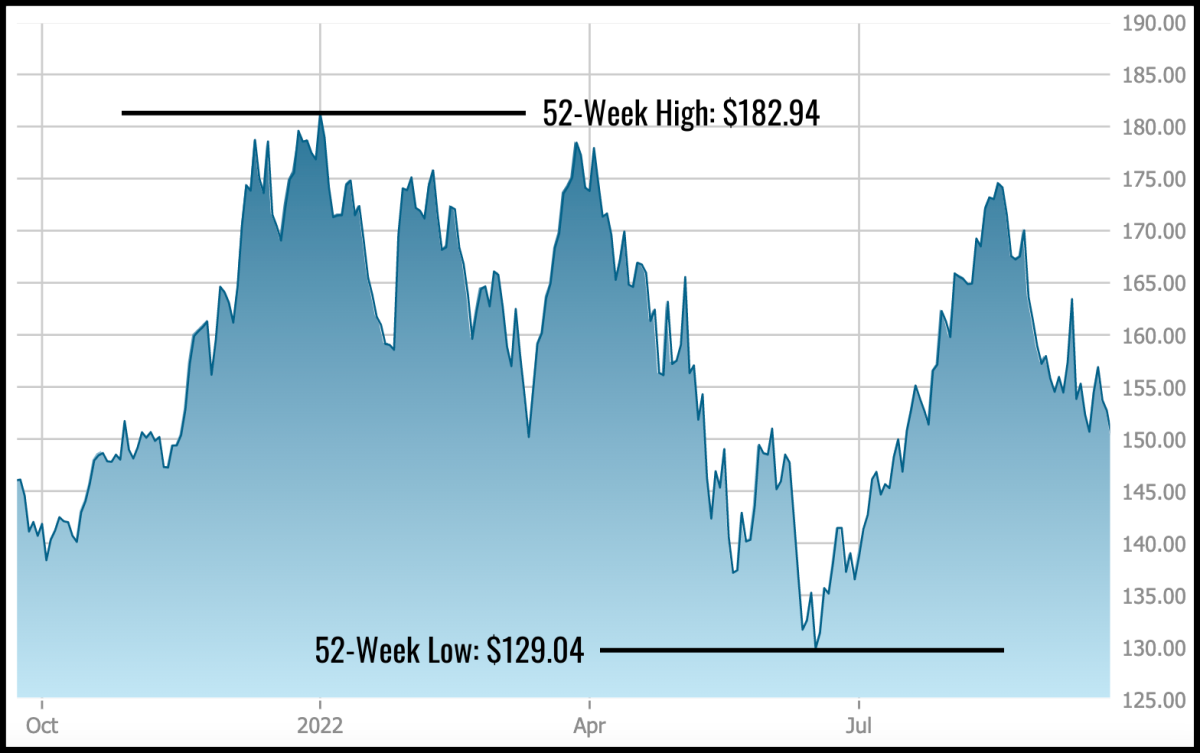
This is the highest price a stock has reached in the last 52 weeks (a year, basically). Think of it as the stock’s "career-best performance"—its Virat Kohli moment! ๐Ÿ

  • Imagine you’re a stock. If your price hits ₹200 in the past year but never went higher, that ₹200 is your 52-week high.
  • Investors see this as a sign of strength, like a “Best Actor” award for the stock. But, just like in Bollywood, a high can be followed by a flop. So, it’s not the only thing to consider.


What is a 52-Week Low? ๐Ÿ“‰

The 52-week low is the lowest price a stock has fallen to in the last year. This is like your "rock-bottom phase", the one we all have when we cry over chai and pakoras during a rainy day. ☔๐Ÿต

  • For example, if your stock hit ₹50 at its lowest in the past year, that’s its 52-week low.
  • Some investors see this as a bargain deal—like buying winter clothes in April when prices are slashed. But remember, cheap doesn’t always mean good. That ₹2000 jacket might still have a broken zip!


Why Does it Matter?

Knowing a stock’s 52-week high and low is like knowing the range of a cricket score. It tells you:

  1. How volatile the stock is: Is it playing safe like Rahul Dravid or swinging wildly like Rishabh Pant?
  2. Potential opportunities: A stock near its 52-week low might seem like a discount, while one near its high might feel expensive.


Real-Life Example:

Let’s say Tata Tea Ltd has a:

  • 52-week high of ₹500
  • 52-week low of ₹300

This means:

  • ₹500 is the highest price the stock touched in the last year. At this point, investors were probably saying, “Ab aur upar jayega kya?” (Will it go higher now?).
  • ₹300 is the lowest price, when others were nervously whispering, “Bas, ab toh band baja!” (That’s it, it’s doomed!).


A Funny Analogy:

Think of stocks like Bollywood actors:

  • The 52-week high is their blockbuster hit—when everyone is clapping, and the stock is shining like a star on the red carpet. ๐ŸŒŸ
  • The 52-week low is their flop era—when they’re hiding from the paparazzi and waiting for their big comeback. ๐Ÿ˜…

As an investor, you need to decide whether the star is still shining or if it’s time to move on to the next hit.


Final Words:

The 52-week high and low give you a snapshot of a stock’s journey over the past year. It’s not a guarantee of future performance, but it’s like checking the IMDb rating before watching a movie—it helps you make better decisions.

So, the next time you see these numbers, don’t panic. Just ask yourself: Is this stock giving me blockbuster vibes or clearance sale energy? And invest wisely! ๐ŸŽฌ๐Ÿ“Š


Futures and Options: The Stock Market Masala Explained!


If the stock market is like your favorite Bollywood movie, Futures and Options are the dramatic plot twists that keep you hooked. ๐ŸŽฅ They're not as straightforward as buying a stock and holding onto it, but once you understand them, you’ll feel like the stock market king or queen! Let’s dive into these concepts with a desi tadka and some real-life examples.

Futures: The Advance Booking

Imagine this: You love mangoes (who doesn’t?) ๐Ÿฅญ, but it’s not mango season yet. You know that during the season, prices will skyrocket because everyone will want them. So, you strike a deal with your local fruitwala:

  • You agree to buy 10 kilos of mangoes at ₹100 per kilo next month, no matter what the market price is.

Here’s where it gets interesting:

  • If the price of mangoes goes up to ₹150 per kilo during the season, you win! You’re getting mangoes at ₹100 per kilo while others are paying more. ๐Ÿค‘
  • But if the price drops to ₹80 per kilo, you’re stuck paying ₹100. Ouch! ๐Ÿ˜…

This is exactly how Futures work in the stock market:

  • You lock in a price today for a transaction in the future.
  • Whether you profit or lose depends on how the market moves.

Funny Take: Think of Futures like your wedding hall booking during the wedding season. You lock in a rate, but if demand dips and halls get cheaper, you’re stuck paying more. Moral of the story: Always check with your astrologer (or research well)! ๐Ÿ›️✨

Options: The Bollywood Superstar’s “Option” to Say Yes or No

Now, let’s talk about Options. Options are like having a flexible movie ticket to the biggest blockbuster of the year.

  • Imagine this: You want to watch the latest Shah Rukh Khan movie, but you’re not sure if it’ll be a hit or a flop. So, you pay ₹50 to your local ticket seller for the option to buy the ticket later at ₹200 if you decide to watch the movie.
  • If the movie becomes a superhit and ticket prices shoot up to ₹500, you exercise your option and get the ticket for ₹200. ๐ŸŽ‰
  • If the movie flops and ticket prices fall to ₹100, you can choose not to buy the ticket. All you lose is the ₹50 you paid for the option.

In the stock market:

  • Call Option: Gives you the right (but not the obligation) to buy a stock at a fixed price.
  • Put Option: Gives you the right to sell a stock at a fixed price.

Funny Take: Options are like your mom giving you the option to marry someone: “Beta, you can say no if you don’t like them, but the introduction costs (the matchmaking fees) are non-refundable!” ๐Ÿ’๐Ÿ˜‚

The Key Difference: Futures vs. Options

To make it easier to remember, here’s a quick comparison:

Futures

Options

You must honor the deal.     You have the option, not the obligation.
Higher risk if prices move against you.     Lower risk because you can opt-out.
It’s like committing to a buffet.      It’s like having an ร  la carte menu. ๐Ÿฝ️

Why Do People Use Futures and Options?

  • Hedging: Like farmers who lock in prices for their crops to avoid losses if prices fall.
  • Speculation: Like betting with your friends during an IPL match: "I bet ₹500 that CSK will win!" It’s all about predicting the future.

But be careful! Futures and Options aren’t for the faint-hearted. They can make you rich, but they can also make you feel like you’ve just eaten too much spicy pani puri—fun at first, but risky if you’re unprepared! ๐ŸŒถ️๐Ÿ’ง

Final Words:

Futures and Options might sound complicated, but they’re just like real life—full of drama, suspense, and the occasional plot twist. Whether you’re locking in mango prices or deciding on a blockbuster movie ticket, it’s all about knowing your risk and playing it smart.

And remember, in the stock market, it’s not about being lucky—it’s about being prepared. So, the next time someone throws the term “F&O” at you, confidently say, “Arre, it’s just like mangoes and Shah Rukh Khan movies!”


Friday, 10 January 2025

Investing: The Indian Way to Become a Crorepati (Without Losing Your Mind)

Okay, so you want to make your money work for you? Great decision! But hold on—before you start imagining yourself with a luxury car, big house, and a beachside holiday in Goa, let’s first figure out how to actually get there without turning your hair gray. ๐Ÿง‘‍๐Ÿฆณ๐Ÿ’ธ

The world of investing is like a big Indian wedding: it’s full of options, can be a little overwhelming, and you’ll find that everyone has an opinion. Don’t worry, we’ve got your back! Let’s dive into the different ways of investing—Indian style! 


1. Stocks: The Dhol Tasha of Investment ๐ŸŽ‰

If stocks were a wedding procession, they’d definitely be the dhol tasha. Loud, fast-paced, and definitely giving you a rush of excitement. One minute, you’re on a high, dancing to the beat, and the next, you’re stumbling over your feet.

  • Pros: Stocks give you the potential to hit big, like buying the latest smartphone at a discount and selling it at a premium. ๐Ÿš€๐Ÿ“ฑ
  • Cons: They’re as unpredictable as the weather during monsoon season. You could either end up with a sweet profit or get drenched in losses. ๐ŸŒง️

Tip: Always remember—stocks are like your cousin’s dance moves at the wedding: sometimes they surprise you, but they can also trip you up. Keep your eyes open!


2. Mutual Funds: The Thali of Investment ๐Ÿฝ️

Mutual funds are like a delicious thali at a wedding—plenty of options in one plate. You’ve got your dal, rice, sabzi, and sweet dish, all mixed in together by a fund manager (or chef!). It’s a well-balanced choice, perfect for those who want to try a little bit of everything without the risk of overdoing it.

  • Pros: Diversification, baby! It’s like having a small bite of everything—large, mid, and small-cap stocks. ๐Ÿš๐Ÿฒ
  • Cons: You’ll have to pay the fund manager for mixing your plate, and sometimes, those extra charges can be like the added cost of the wedding buffet. ๐Ÿ’ธ

Tip: Think of mutual funds as the "Safe Bet" for those who want to attend the party but don’t want to risk getting caught up in the drama. ๐Ÿ˜…

3. Real Estate: The Plot of Land You’ll Call ‘Home’ ๐Ÿ 

If you’re looking for a “solid investment” that you can actually see and touch, real estate is your go-to. It’s like owning your own piece of land in a growing city like Pune or Gurgaon. It’s an investment that doesn’t come with surprise twists—unless, of course, you forget about property taxes. ๐Ÿ˜ฌ

  • Pros: You get to be a “landlord,” which is pretty cool. And if you’re renting it out, you can sip chai and get paid. ☕๐Ÿ’ฐ
  • Cons: If things go wrong, like your tenant turning into a Bollywood villain, things can get messy. It’s like having to deal with an uncle who asks why you're still single at every family gathering. ๐Ÿ ๐Ÿงจ

Tip: Real estate is for those who believe in ghar ki khushboo and long-term investments. But be prepared for some paperwork—it's like a wedding guest list that never ends! ๐Ÿ“

4. Gold: The Ancestral Investment ๐Ÿ…

If you’re an Indian, gold is like the sasural ka taweez—it's passed down through generations, and it always has value. Whether it’s a shiny new gold coin or your grandmother's jewelry, gold has stood the test of time.

  • Pros: Gold is always in demand, especially around festivals like Diwali. Plus, it’s as safe as your mom’s advice during a crisis. ๐Ÿ…
  • Cons: It's not exactly liquid—unlike your pocket money that you can spend on shopping whenever you want. ๐Ÿ’

Tip: If you like the idea of an asset that’ll sparkle forever (even when the stock market looks a little dull), gold is your friend.

5. Cryptocurrency: The Desi “Naya Trend” ๐Ÿ’ป

Ah, cryptocurrency—the new-age “Bitcoin” trend that even your cousin is talking about at family gatherings. It’s like the cool kid at school who is a little too unpredictable but still gets everyone’s attention.

  • Pros: If you’re lucky, you could make money faster than a rickshaw ride during peak hours. ๐Ÿš–๐Ÿ’ธ
  • Cons: It’s as volatile as a sudden power cut during your favorite TV show. One minute you're on top, and the next, you're left in the dark. ⚡

Tip: If you like taking risks and feel like you’ve got the guts to handle sudden rollercoaster-like swings, crypto’s the ride for you!

6. Fixed Deposits (FDs): The Comfort of Your Mother’s Cooking ๐Ÿฒ

, steady return with no drama, Fixed Deposits (FDs) are like your mom’s cooking—reliable, comforting, and steady. You put your money in, and you know it’ll grow at a fixed interest rate, just like the way the potatoes cook in your kitchen.

  • Pros: It’s the safest bet! No wild ups and downs, no unnecessary excitement—just pure comfort. ๐Ÿฆ
  • Cons: The returns are slower than a rickshaw on a rainy day, and your money is locked up for a while. ⏳

Tip: If you prefer peace of mind and want to build wealth slowly (like your favorite slow-cooked dal), FD is your go-to.


Who Are FIIs? The Mysterious Investors of the Stock Market!


You’re at a party, and you hear a lot of whispers about these mysterious guests who’ve arrived from abroad. They’re sophisticated, they wear expensive suits (well, probably in the virtual world), and they seem to have endless pockets of money. ๐ŸŽฉ๐Ÿ’ผ

Who are these people?

They’re FIIsForeign Institutional Investors! Sounds fancy, right? Basically, these are big investment firms or organizations from outside the country that come to the Indian stock market looking for profits. Think of them as the ‘globetrotting investors’ who are always scouting for the next big thing. ๐ŸŒ๐Ÿ’ธ

FIIs can be anything from pension funds, mutual funds, hedge funds, to sovereign wealth funds — you know, the kind of funds that sound like they could buy a small country (or at least a luxury yacht). ๐Ÿ›ฅ️

Why Are They Important?

FIIs have the power to stir things up in the stock market. When they buy, the market goes up. When they sell, well... things might get a little bumpy! ๐Ÿš€๐Ÿ“‰ They’re like that friend who either makes the party amazing or makes everyone leave early. But hey, it’s their money, so they call the shots! ๐Ÿค‘


Fun Fact:

Just like the way celebrities create buzz wherever they go, FIIs create a lot of “buzz” in the stock market. If a big FII decides to buy shares of a company, it’s like everyone suddenly wants to know what’s so special about that company. ๐Ÿ“ˆ

Multi-Cap vs Flexi-Cap Mutual Funds


Let’s break it down simply. Imagine your mutual fund is a basket of fruits. ๐ŸŽ๐ŸŠ๐ŸŒ

  • Multi-Cap Funds: These funds are like a fruit basket that has a mix of apples (large-cap), oranges (mid-cap), and bananas (small-cap). The fund manager buys a mix of large, medium, and small companies for your investment. The idea is to have a balanced portfolio, just like you don't want to eat only bananas every day (unless you're a monkey ๐Ÿ’).

  • Flexi-Cap Funds: These funds are like a fruit basket where the fruit seller has unlimited freedom to choose from any fruit he likes at any time. Flexi-cap funds can invest in large, mid, and small-cap companies, but the fund manager has the flexibility to adjust the mix as per market conditions. So, if the manager feels apples are overrated today and bananas are the new cool fruit, they’ll invest more in bananas. ๐ŸŒ


Which One is Better?

Well, this depends on how much freedom you want your fund manager to have and what kind of fruits (read: companies) you’re hoping to invest in!

  • If you want balance: Multi-cap funds are your go-to. They invest in a mix of all kinds of companies, ensuring you don't put all your eggs (or apples, or bananas!) in one basket. ๐Ÿฅš๐ŸŽ๐ŸŒ

  • If you’re adventurous: Go for Flexi-cap! These funds give the manager the freedom to adapt to market trends. It’s like choosing a fruit basket where the vendor knows exactly what’s trending—today it’s apples, tomorrow it could be kiwis! ๐Ÿฅ

Humorous Twist:

Choosing between Multi-cap and Flexi-cap is like deciding whether you want a standard pizza (multi-cap: some of everything) or a customizable pizza (flexi-cap: add whatever toppings you feel like). But hey, just don’t blame the manager if they throw in pineapple! ๐Ÿ

Thursday, 9 January 2025

When California's on Fire, Should Investors Stop, Drop, and Roll?


California's wildfires have become an annual, albeit unwelcome, tradition—much like that fruitcake nobody wants during the holidays. Beyond the immediate devastation, these infernos have a knack for igniting financial markets in unexpected ways. Let's delve into how the recent blazes are fanning the flames of Wall Street, with a sprinkle of humor to keep things light.

Utilities: Feeling the Heat

Edison International, the parent company of Southern California Edison, has been sweating bullets. Their stock recently took a 10% nosedive, the steepest since March 2020, as wildfires raged near Los Angeles. The company had to cut power to over 100,000 customers to prevent its equipment from turning into accidental flamethrowers. Investors, naturally, got cold feet, fearing potential liabilities and the dreaded "inverse condemnation" laws that hold utilities accountable for wildfire damages, even if they're not directly at fault.

Insurance Companies: Bracing for Impact

Insurance firms are on high alert, anticipating a surge in claims.Analysts estimate that insured losses from the latest wildfires could hit around $10 billion. While companies like Allstate, Travelers, and Chubb have deep pockets, frequent and severe wildfires might make them reconsider their California ventures. After all, there's only so much fire one can handle before getting burned.

Real Estate: A Hot Market in More Ways Than One

The housing market in fire-prone areas is feeling the heat. Properties in these regions may see declining values, and potential buyers might think twice before investing in a potential tinderbox. On the flip side, areas less susceptible to wildfires could experience a boom, as safety becomes a top priority.

Agriculture: Toasted Crops, Anyone?

California's fertile lands aren't just producing wine and avocados; they're also excellent at growing wildfires. The agricultural sector faces crop losses, tainted produce from smoke, and disrupted supply chains. This can lead to increased prices and scarcity of certain products, making that avocado toast even more of a luxury.

Tourism: Plans Going Up in Smoke

Tourists don't typically flock to see charred landscapes. Wildfires can deter visitors, leading to lost revenue for local businesses and the broader hospitality industry. Areas dependent on tourism might find their economic forecasts looking as hazy as the smoke-filled skies.

The Broader Market: Smoke Signals

While specific sectors feel the burn more than others, the overall market can experience increased volatility. Investors may adopt a risk-off approach, reallocating assets to perceived safe havens until the smoke clears—both literally and figuratively.

In Conclusion: Keep Calm and Invest Wisely

Wildfires are a force of nature, but they also serve as a stark reminder of the interconnectedness of our environment and the economy. As climate change continues to influence weather patterns, such events may become more frequent, prompting investors to consider environmental risks in their strategies.


Market Mayhem: Why India’s Stocks are Slipping!

Well, if you’re looking for reasons why the Indian stock market is taking a nosedive recently, here’s a quick rundown:


1. Slowing Corporate Earnings:

Indian companies are getting a 'bad report card' lately. Earnings are being downgraded at the fastest pace since 2020. It’s like those companies got a 30% off coupon on their profits! The rain, reduced government spending, and weak demand in FMCG and retail have added to the pressure. ๐ŸŒง️๐Ÿ’ธ

2. Foreign Institutional Investor (FII) Outflows:

Foreign investors seem to be packing their bags and leaving the Indian market. It’s like your friend leaving the party early—just when it was getting fun. They’ve been selling off their shares, making the market a bit more... interesting. ๐Ÿคท‍♂️

3. Global Market Influences:

Indian markets are not loners—they like to follow the crowd. If global indices start dropping, you can bet the Indian market is joining the party. The world’s economy has a way of throwing tantrums, and we get caught up in it. ๐ŸŒ๐Ÿ’ƒ

4. Geopolitical and Economic Uncertainties:

The world is a rollercoaster right now—global events like geopolitical tensions and changes in economic policies keep everyone on edge. Even the U.S. Federal Reserve’s next move feels like the next season of your favorite drama. Stay tuned! ๐ŸŽข๐ŸŒŽ

5. Sector-Specific Challenges:

Some sectors, especially tech, are facing a bit of a slowdown. It’s like your favorite restaurant running out of your favorite dish—just when you thought things were looking up. ๐Ÿ–ฅ️๐Ÿฝ️


Why is NTPC Green Energy's stock falling even after winning the auction held by UPPCL?

NTPC Green Energy's stock has recently experienced a decline, despite positive developments such as winning an auction held by the Uttar Pradesh Power Corporation Limited (UPPCL). Several factors contribute to this downturn:

  1. Expiration of Anchor Investor Lock-In Period: A significant factor is the expiration of the one-month lock-in period for anchor investors . On December 26, 2024, approximately 18.3 million shares (representing a 2% stake) became eligible for trading. This sudden increase in available shares led to heightened selling pressure, causing the stock price to drop by over 5% on that day.

  2. General Market Sentiment: The broader market environment has been relatively flat, with Indian equity benchmarks showing minimal movement due to a lack of significant market triggers and low trading activity as the year-end approaches. This overall market stagnation can influence individual stocks, including NTPC Green Energy. 

  3. Profit Decline in Parent Company: NTPC, the parent company of NTPC Green Energy, reported a notable decline in its second-quarter adjusted profit due to reduced electricity generation from its core thermal energy segment.Such financial results can impact investor sentiment and, consequently, the stock performance of its subsidiaries.

While winning the UPPCL auction is a positive development, stock prices are influenced by a multitude of factors.The recent decline in NTPC Green Energy's stock can be attributed to the combined effects of increased share availability post lock-in period, overall market sentiment, and financial performance of its parent company.


Financial Tips for First-Time Earners: A Fun Guide Financial Tips for First-Time Earners: A Fun Guide...